If you're exploring one of Phuket's most in-demand areas, start with the live Off-Plan list: showmehome.io — the easiest way to review new launches and assess opportunities while prices are still at entry level.
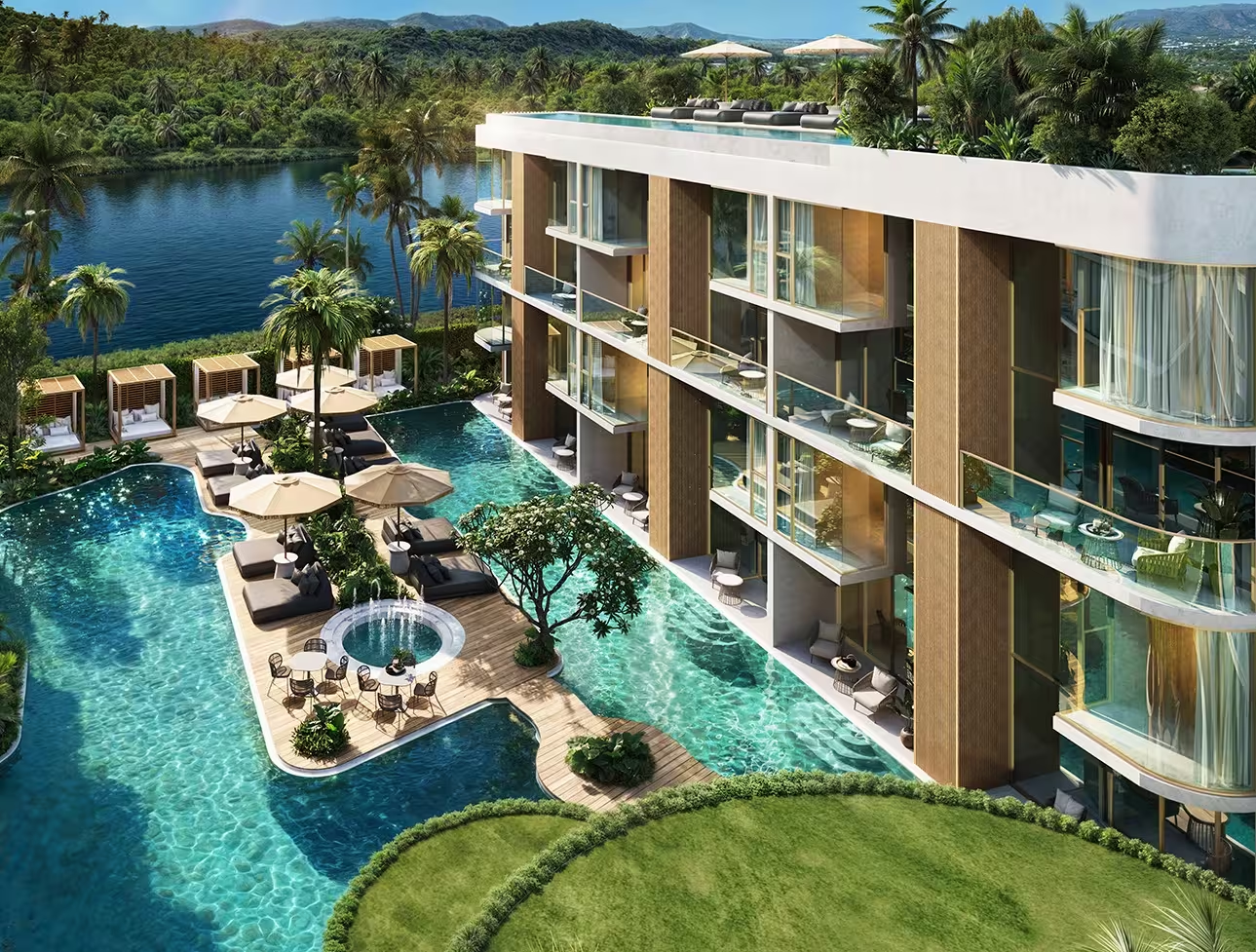
Why Buyers Choose Bang Tao
Bang Tao stands out as Phuket's most balanced investment location — offering a rare mix of a 7-kilometer natural beach, world-class infrastructure, and a thriving international community. Average property prices in Bang Tao have grown by 35–40% between 2019 and 2024, driven by limited land supply and strong overseas demand.
Modern condominiums near the beach now start from ฿120,000–150,000 per sq.m., while premium pool villas within 1 km of the sea sell from ฿25–40 million (≈USD 680,000–1.1 million). Despite these premium prices, rental yields remain strong — typically 6–9% annually, with luxury projects in Laguna Phuket achieving up to 10–12% during peak season.
The area's stability comes from its diverse tenant base: families wintering on the island, long-term expats working in Phuket or remotely, and high-spending tourists who prefer serviced villas and branded residences. This mix makes rental demand highly resilient, with occupancy averaging 80–85% in high season and around 60–65% year-round — outperforming most other coastal areas of Phuket.
With strong liquidity, limited new beachfront land, and consistent tourism growth, Bang Tao continues to deliver one of the island's most reliable capital appreciation rates of 7–8% per year in the mid- to high-end market segment.
Key Factors in Off-Plan Purchases
Buying early in a development can secure discounts of 20–30% compared to completed units and allows investors to choose the best layouts, floors, and view orientations. Typical construction timelines in Phuket range from 18 to 36 months, and reputable developers often offer flexible payment schedules — such as 20% upon contract signing and 80% in installments until completion.
However, proper due diligence remains essential. Before purchasing off-plan, buyers should verify that the project:
- Has a valid Chanote title deed (the highest form of land ownership in Thailand);
- Holds all construction and environmental permits issued by the local authorities;
- Offers a clear foreign freehold quota (up to 49% of condominium units) or a long-term leasehold structure of 30+30+30 years for villas;
- Is developed by a company with a proven track record of timely delivery and completed projects in Phuket or Bangkok;
- Includes an escrow or project progress-based payment system, providing buyer protection.
Micro-location remains critical. Properties within 500–800 meters of the beach and near lifestyle hubs such as Boat Avenue, Porto de Phuket, or the Laguna Golf Course consistently achieve higher occupancy and resale premiums of 15–20% compared to inland projects. Walking access to cafes, gyms, schools, and wellness centers adds tangible rental value and broadens the buyer pool for future resale.
In short, off-plan projects in Bang Tao combine strong entry pricing, reliable developer ecosystems, and long-term capital gains potential. For investors seeking both use and yield, the district remains one of the most compelling luxury real estate markets in Southeast Asia.
Pricing & Rental Yields
Premium zones (Bang Tao, Surin, Kamala): Pool villas in these western-coast districts typically range from ฿15–60 million (≈USD 410,000–1.6 million), depending on proximity to the beach and land plot size. Branded residences and managed villas in Laguna Phuket and Bang Tao record gross yields of 7–10% annually, with peak-season occupancy often exceeding 90% (source: CBRE Thailand Market Review 2024). These properties benefit from strong international demand — primarily buyers from Russia, China, Singapore, and Europe — which supports both capital growth (≈8% CAGR, 2020–2024) and stable liquidity (source: Knight Frank Phuket Report 2024).
Mid-range zones (Rawai, Nai Harn, Chalong): Villas here are priced between ฿9–27 million (≈USD 250,000–740,000) and generally produce 5–8% annual yields. These districts attract a mix of long-term residents and remote workers, resulting in steadier but less premium rental rates. Capital appreciation has averaged 5–6% per year over the past five years (source: Colliers International Thailand 2024). Inland projects within 2–3 km from the beach remain relatively affordable but may require stronger marketing or agency support to achieve consistent occupancy.
Entry-level options: Hillside or inland villas starting around ฿6.9–9 million (≈USD 190,000–250,000) are typically geared toward personal use rather than pure investment. Rental yields for such properties average 3–5% annually due to lower tourist appeal and limited walkability (source: FazWaz 2024 Transaction Summary). However, these assets can still appreciate in value when located near new infrastructure corridors or upcoming international schools.
Occupancy trends: Across Phuket's west coast, occupancy rates reach 90–95% during the high season (November–April) and average 55–65% in the low season (source: AirDNA / Phuket Provincial Tourism Office, 2024). In Bang Tao and Laguna, branded or resort-managed villas outperform the market, maintaining 70%+ occupancy even in shoulder months thanks to repeat guests and corporate partnerships.
Operational structure: Most property owners rely on professional management companies that charge 20–30% of gross rental income as a commission, covering marketing, housekeeping, and guest services. Net returns after management fees, maintenance, and utilities usually range from 5–7% per year for premium properties and around 3–5% for mid-market homes. Investors using hybrid models (short-term rentals in high season + long-term in low season) often achieve 8–9% blended annual yields (source: Phuket Real Estate Insights 2026).
In the long term, western-coast villas have shown stronger price resilience and liquidity compared to inland or eastern Phuket. Limited land supply and continuous infrastructure upgrades — such as the planned Phuket Airport expansion (completion by 2027) and new Chalong–Patong bypass — are expected to further boost both occupancy and resale values across the island.
Exit Strategy & Resale Liquidity
For investors, the ability to exit an asset efficiently is just as important as rental yield. Bang Tao consistently demonstrates one of the strongest resale liquidity profiles in Phuket, primarily due to limited coastal land supply, established infrastructure, and sustained international demand. Well-located properties near the beach, Laguna Phuket, and key lifestyle hubs typically attract buyers faster and at smaller discounts compared to inland districts.
On average, resale transactions in Bang Tao take between 3 and 6 months for competitively priced condominiums and 6 to 9 months for villas, assuming professional marketing and clear legal documentation. Branded residences and managed properties tend to sell even faster, as buyers value predictable income streams, transparent operating history, and turnkey ownership. Units within walking distance to the beach or Boat Avenue often command resale premiums of 10–20% over comparable inland projects.
Liquidity is driven by a diverse secondary buyer pool that includes relocating families, long-stay expatriates, and investors seeking stabilized assets with proven rental performance. Unlike purely speculative markets, Bang Tao’s resale demand is supported by lifestyle buyers who prioritize location, walkability, and community over short-term price fluctuations. This creates a natural buffer against market volatility and reduces forced-sale risk during slower cycles.
Exit risk increases primarily in projects with weak micro-locations, limited infrastructure access, or no professional rental management. Villas located more than 2–3 km from the beach without established branding or service support often require longer holding periods or price adjustments to achieve a sale. In contrast, properties with documented rental history, reputable developers, and clear ownership structures retain higher liquidity even during periods of increased new supply.
In practical terms, investors in Bang Tao should approach exit strategy as a planned component from day one. Selecting assets with strong walkability, recognized management operators, and transparent operating data significantly improves resale speed and price stability. Historically, well-positioned properties in the Bang Tao–Laguna corridor have delivered reliable exits with capital appreciation averaging 7–8% annually, making the district one of Phuket’s most liquid and resilient real estate markets.
Who It Suits
• Families: Bang Tao offers one of Phuket's most family-friendly environments. Within a 15–20 minute radius are British International School (BISP), UWC Thailand, and several international kindergartens and daycare centers. Safe gated communities, proximity to clinics and supermarkets, and a calm residential vibe make the area ideal for long-term family living. Around 35–40% of property owners in Bang Tao use their homes seasonally for family stays (source: CBRE Thailand, 2024).
• Investors: A balanced market with 70–80% occupancy year-round and rental yields of 6–9% annually attracts international investors seeking stable, low-volatility income. Both short-term holiday rentals and long-term leases perform well thanks to consistent demand from expats and tourists. Investors benefit from strong resale liquidity — average holding periods are 4–6 years, with resale premiums often exceeding 15–20% for beachfront or branded projects (source: Knight Frank Phuket Report, 2024).
• Remote Professionals: The area is a hub for digital nomads and long-stay professionals drawn by Phuket's Smart Visa and improved internet infrastructure. Dozens of cafés, coworking spots, and gyms operate year-round, making Bang Tao a productive tropical base. Monthly rental demand for one-bedroom condos (฿45,000–60,000/month) remains stable even during the low season (source: FazWaz Rental Index, 2024).
• Premium Buyers: For affluent buyers, Bang Tao is the core of Phuket's luxury market. Villas near Laguna Phuket and the Laguna Golf Course start from ฿30–60 million, with branded beachfront estates exceeding ฿100 million. These buyers typically prioritize privacy, management quality, and asset preservation over yield. According to CBRE Research (2024), more than 45% of luxury transactions in Phuket occur in the Bang Tao–Cherngtalay corridor, underscoring its dominance in the premium segment.
In essence, Bang Tao suits both lifestyle seekers and investors aiming for secure capital appreciation and consistent rental returns within Phuket's most internationally recognized district.
Legal Framework
Foreigners cannot own land in Thailand directly under their personal name. However, Thai property law provides several well-regulated ownership structures that make real estate investment both possible and secure when done properly.
- Leasehold: Foreigners may lease land or villas for a period of up to 30 years (with optional renewal clauses). Renewal is not automatic, so lease agreements should clearly define extension terms, sublease rights, and inheritance provisions. In Phuket, about 60–65% of foreign villa purchases use the leasehold model (source: CBRE Phuket Market Report, 2024). Annual government registration fees are approximately 1.1% of the total lease value (including stamp duty).
- Freehold Condominiums: Under the Condominium Act B.E. 2522, foreigners can own up to 49% of the total sellable area in any condominium project. Ownership is full and transferable, and buyers receive a Chanote title deed registered in their own name. This structure is the most straightforward and popular among international investors — over 80% of non-Thai property transactions in Phuket are for freehold condominiums (source: Knight Frank Thailand, 2024).
- Thai Company Ownership: A Thai-registered company can legally hold land, provided that at least 51% of the shares are owned by Thai nationals. Foreign investors may control the company through preferred shares or directorship agreements, but this structure requires careful legal compliance to avoid being deemed a "nominee" setup, which is prohibited under the Land Code Act. This route is typically used for commercial or development projects and should always be established through licensed legal counsel (Baker McKenzie Thailand, 2023).
Taxation and Transaction Costs: Property transfer fees in Thailand total approximately 6–7% of the transaction price (including a 2% transfer fee, 1% withholding tax, and 3.3% business tax if applicable). Leasehold transactions incur lower upfront costs but cannot be financed through local banks unless registered under a Thai entity.
Due Diligence and Legal Support: Engaging a qualified real estate attorney is strongly recommended. Legal professionals typically conduct:
- Title deed verification (ensuring a clean Chanote title);
- Review of developer permits and building licenses;
- Drafting or reviewing purchase and lease agreements;
- Registration of ownership with the Land Department.
Well-documented ownership and legal due diligence remain the cornerstones of safe property investment in Thailand. Working with reputable agents and legal advisors ensures compliance and preserves full resale and inheritance rights.
How We Help
- Selection & Screening: We analyze each project using verified market data — filtering by budget, completion timeline, ROI potential, and developer track record. Our analysts compare yield forecasts, location walkability, and historical resale performance (based on CBRE and Knight Frank data) to identify assets that combine profitability with exit liquidity.
- Legal & Structure: We coordinate full contract and title-deed reviews with licensed Thai lawyers, clarify Freehold vs. Leasehold options, and ensure that every purchase follows Land Department registration standards. For off-plan investments, we verify developer permits, escrow conditions, and construction milestones — minimizing risk and ensuring compliance with Thai Condominium and Land Acts.
- Negotiation: Our specialists secure preferential pricing, staged payment schedules, and exclusive incentives — such as furniture packages or guaranteed-yield programs. On average, clients save 5–10% on total acquisition cost compared with standard developer rates.
- Aftercare & Asset Management: We provide end-to-end post-purchase support — from property inspection and interior setup to rental program onboarding and revenue reporting. Owners receive regular performance updates and occupancy analytics, ensuring transparent returns management and hassle-free ownership, whether they reside in Thailand or abroad.
Our goal is to make investing in Phuket property safe, data-driven, and fully transparent — combining market insight, legal expertise, and operational support in one integrated service.
Current Market Trends & Risks
• Accelerated Price Growth: Property prices in Phuket's west coast (Bang Tao, Surin, Kamala) have risen by 35–40% since 2021, driven largely by renewed demand from Russian, European, and Chinese buyers (source: CBRE Thailand Residential Report, 2024). Villas under THB 20 million have become increasingly scarce, pushing mid-market investors toward inland or off-plan options. The luxury tier — especially beachfront and branded residences — continues to outperform, with average resale premiums of 15–25% over pre-2022 pricing.
• Cost of Living & Inflation: While Thailand remains relatively affordable compared to Singapore or Hong Kong, Phuket's consumer price index has risen ~8% YoY since 2022 (source: Bank of Thailand Inflation Bulletin). Imported goods, construction materials, and service labor have all become costlier, slightly eroding yield margins. Nevertheless, for most foreign investors earning in USD or EUR, purchasing power remains strong, and Phuket still offers 30–40% lower daily living costs than comparable island destinations such as Bali or Koh Samui.
• Localized Oversupply Risk: The Cherngtalay subdistrict — which includes Bang Tao and Pasak — has seen a record 680+ new villas launched in 2024 alone (source: Knight Frank Phuket Market Update). While overall demand remains robust, certain inland clusters may experience temporary absorption pressure over the next 12–18 months. Buyers should focus on projects within 1 km of the beach or with strong management and branding, as these properties historically retain higher resale values and occupancy.
• Currency & Payment Risks: Many off-plan projects span 24–36 month payment schedules, exposing buyers to exchange-rate fluctuations. The Thai Baht has traded between ฿33–37 per USD in recent years (source: Bank of Thailand FX Data, 2024). For investors paying in installments, currency hedging or USD-pegged escrow structures can mitigate exposure and protect real returns. Developers increasingly offer USD-denominated contracts or accept crypto-based settlement through regulated intermediaries to attract international buyers.
Summary: Phuket's fundamentals remain solid — demand is global, financing is minimal, and most transactions are cash-based (limiting leverage risk). However, investors should remain aware of micro-location quality, construction timelines, and currency stability when committing to multi-year developments. Selecting projects with verified permits, reputable developers, and audited escrow accounts remains the best hedge against market volatility.
FAQ
Can I pay with crypto?
Yes. We arrange fully compliant crypto settlements through licensed exchange partners and legal intermediaries. Transactions follow Thai KYC/AML regulations and are converted into Thai Baht at the spot rate on the day of settlement. Popular currencies include USDT, USDC, BTC, and ETH. Developers accepting crypto payments usually provide a dedicated escrow wallet and issue a tax invoice in Thai Baht for transparency. In practice, crypto payments are cleared within 1–3 business days and can be combined with traditional bank transfers for hybrid transactions.
How long is the construction period?
Most off-plan projects in Phuket are delivered within 18–36 months, depending on scale and permitting. Boutique condominium projects (50–80 units) average about 20 months, while villa compounds of 20+ homes may take up to 3 years to complete. Progress is monitored via milestone-based payments — typically 20–30% at contract signing and the remainder in installments. Our team tracks progress, developer reporting, and inspection photos, ensuring each payment aligns with verified construction stages.
Is rental management available?
Yes. Over 80% of new developments in Bang Tao offer professional rental management programs with reception, housekeeping, and marketing included. Management fees range from 20–30% of gross rental income, depending on the service level. Annual occupancy averages 70–80%, and managed condos or villas in the Bang Tao–Laguna area typically achieve 6–9% net annual yields. We assist with operator selection, contract setup, and KPI monitoring (occupancy rate, ADR, and owner's net income).
Can foreigners own property in Thailand?
Yes, but with certain legal frameworks. Foreigners can purchase freehold condominiums outright, up to 49% of the total area of a building. Villas and land plots are usually owned under a 30-year renewable leasehold structure. Both ownership models are registered at the Thai Land Department and provide full legal protection when documented properly. Our legal partners conduct due diligence, verify Chanote title deeds, and ensure that lease or purchase contracts comply with Thai Condominium Act and Land Code regulations.
What are the typical transaction costs?
Buyers should budget around 6–7% of the purchase price for taxes and legal fees, which include:
- 2% transfer fee (Land Department)
- 0.5% stamp duty or 3.3% business tax (depending on seller type)
- 1% withholding tax (on declared value)
- ~1% legal and registration costs
Leasehold transactions generally have lower upfront fees but require renewal every 30 years. Property taxes in Thailand remain moderate compared to global markets — annual maintenance and government property tax combined rarely exceed 0.1–0.2% of property value.
What kind of ROI can I expect from Bang Tao property?
ROI depends on property type, distance to the beach, and management quality. Based on CBRE and Knight Frank data (2024):
- Condos near the beach: 7–9% gross yield
- Branded residences in Laguna: 8–10%+ in high season
- Private villas with rental service: 6–8% annual ROI
Long-term capital appreciation averages 7–8% per year due to land scarcity, tourism growth, and infrastructure upgrades. Proper management, pricing strategy, and online visibility can increase real annual ROI by an additional 1–2%.
Are there risks of oversupply in Bang Tao?
Yes, but mainly for inland villa clusters within Cherngtalay. The number of new villas launched in 2024 exceeded 680 units, a 60% YoY increase (source: Knight Frank Phuket Report). However, beachfront and walkable-to-Laguna properties remain undersupplied. Investors should prioritize projects within 1 km of the beach or those backed by reputable developers with proven rental performance. Demand continues to outpace supply in the upper segment due to the steady inflow of long-stay tourists and foreign relocations.
Can I get a visa if I buy property?
Buying property in Thailand does not automatically grant residency, but investors can apply for programs such as:
- Thailand Elite Visa — 5 to 20 years of residency for a one-time fee (THB 900,000–2 million).
- LTR (Long-Term Resident) Visa — 10-year visa for investors or professionals investing over USD 250,000 in Thai assets, including real estate.
- Retirement Visa — available from age 50+ with monthly income proof of THB 65,000.
Our partners assist with visa selection and documentation to align residency options with your investment strategy.
What are the most promising upcoming projects in Bang Tao?
Several high-profile developments are shaping Bang Tao's luxury segment in 2024–2026:
- The Standard Residences Bang Tao — branded apartments managed by The Standard Hotel Group, within walking distance of the beach.
- Banyan Tree Yara Villas — high-end villas in Laguna with private pools and access to 5-star resort facilities.
- Andaman Riviera Phase 2 — mid-rise condominium targeting long-term rental demand near Boat Avenue.
These projects combine strong brand value, limited land availability, and yield potential — making them attractive for both lifestyle and income-focused investors.
Can I finance my purchase through a Thai bank?
Foreigners without Thai income or residency rarely qualify for local mortgages. However, selected banks (UOB, Bangkok Bank, and MBK Guarantee) offer foreign buyer programs with 50–70% LTV for condos, typically at 6–8% interest. Most foreign investors pay in cash or use offshore financing. We help evaluate financing or structured payment options with developers to align with your currency and cash flow.
Tags
Bang Tao off-plan Phuket new developments Beachside villas Apartments near Laguna Rental investment